







































Pickleball Balls
The pickleball is at the heart of every rally and every match. Choosing the right ball is essential to fully enjoy the game, whether indoors or outdoors. Light and perforated, pickleballs have very specific characteristics that directly influence the quality of play. PadelReference.com offers a selection of pickleballs suited to all levels and all playing surfaces.
Do you need guidance for your first racket purchase? Answer our quiz and discover a personalized racket selection.
Take the testYour racket no longer suits you or is aging, take our test to find the ideal racket.
Take the testWhat is the difference between an indoor and outdoor pickleball?
Pickleballs come in two main categories depending on the playing surface:
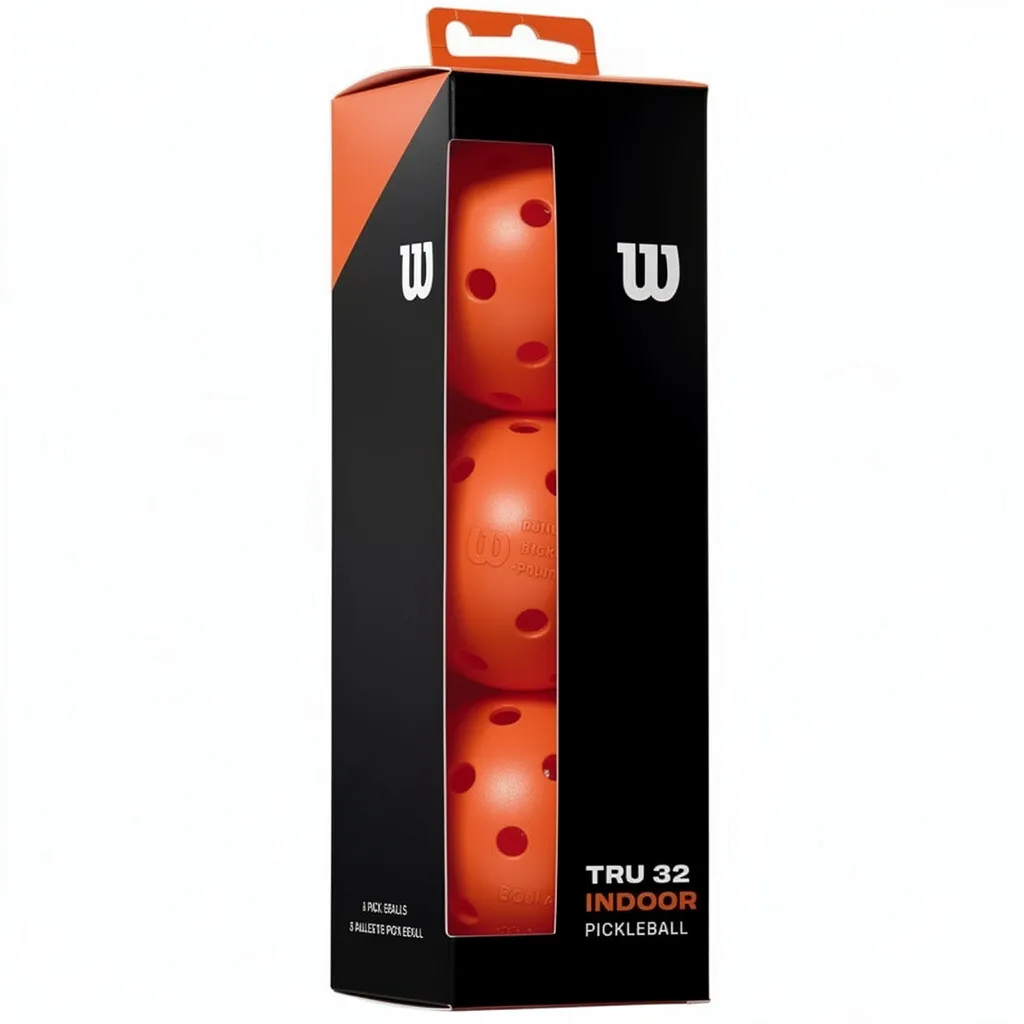
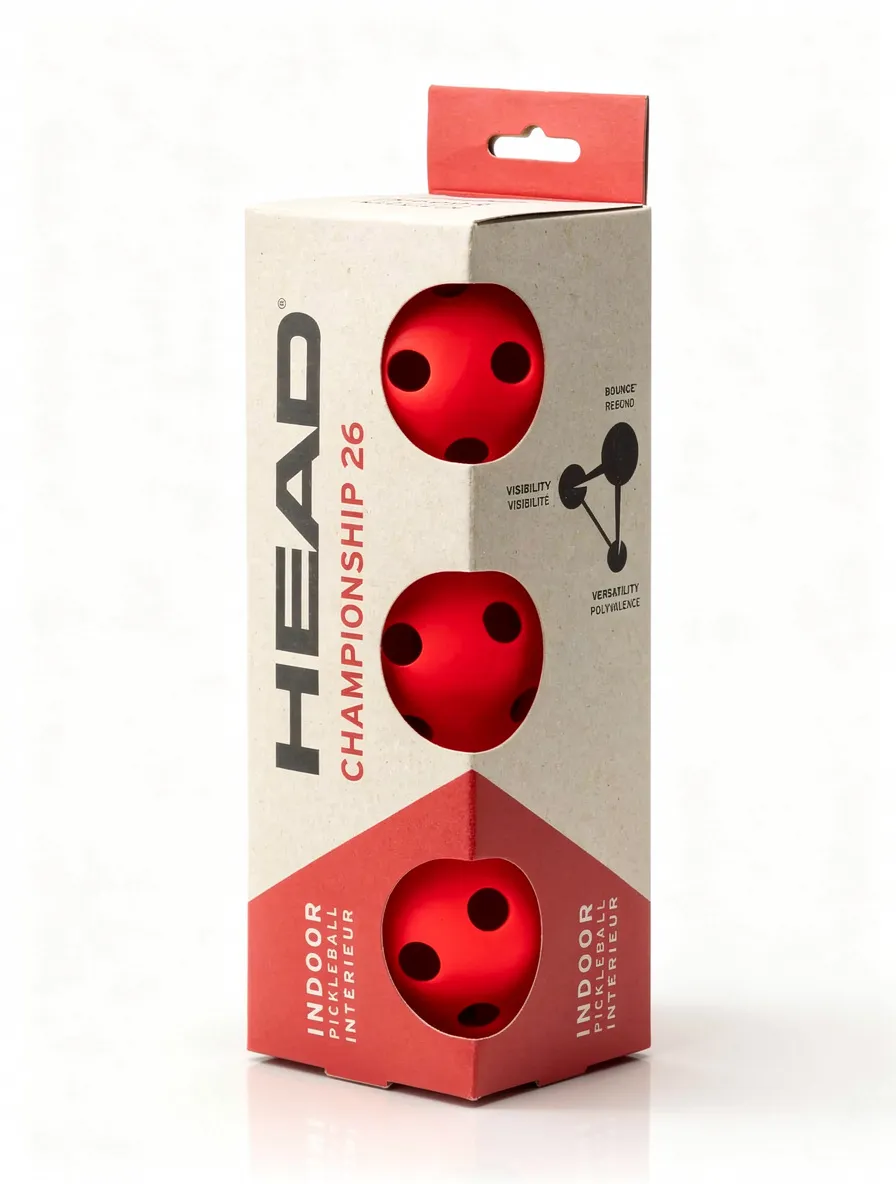
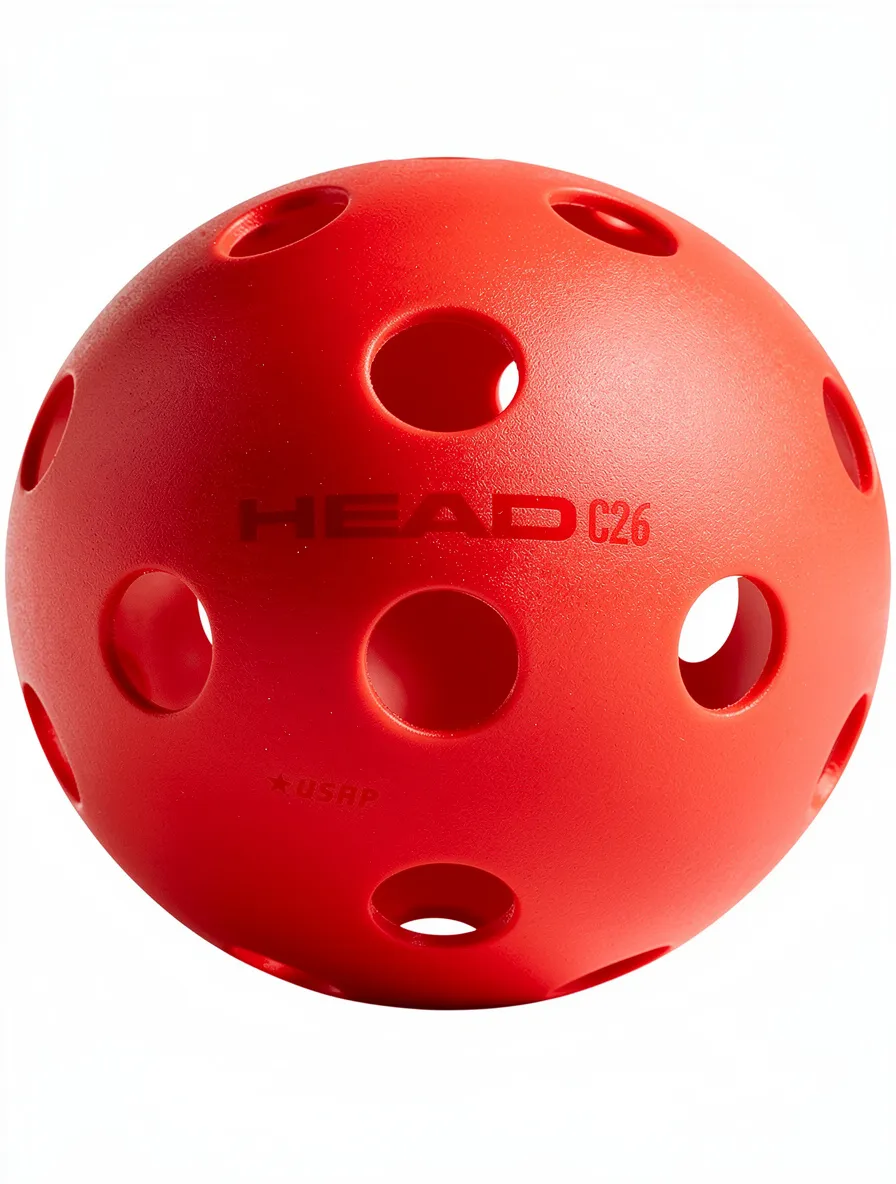
- Indoor balls: Generally lighter, with larger and fewer holes (averaging 26 holes). They are softer and produce less noise, ideal for gymnasiums and sports halls
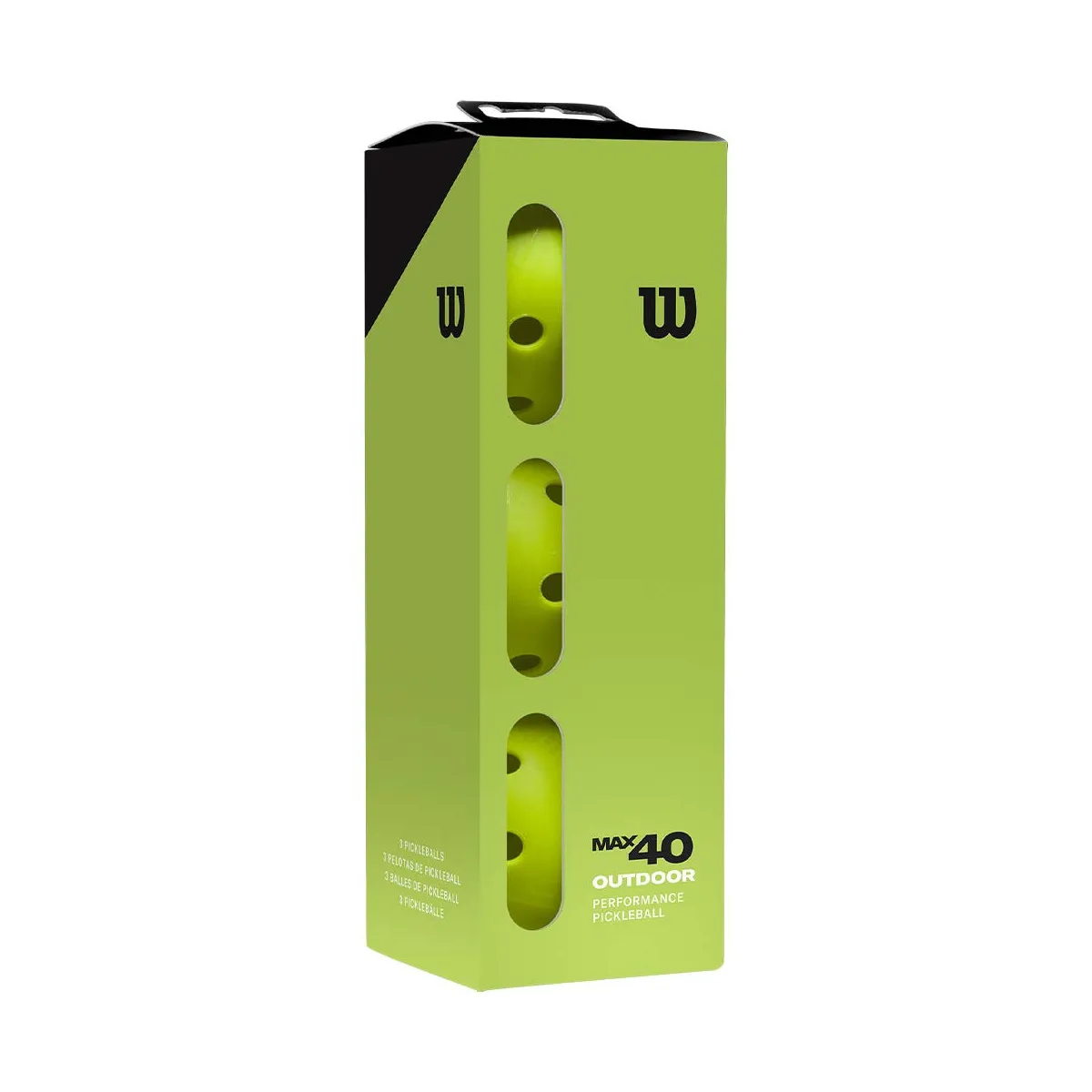
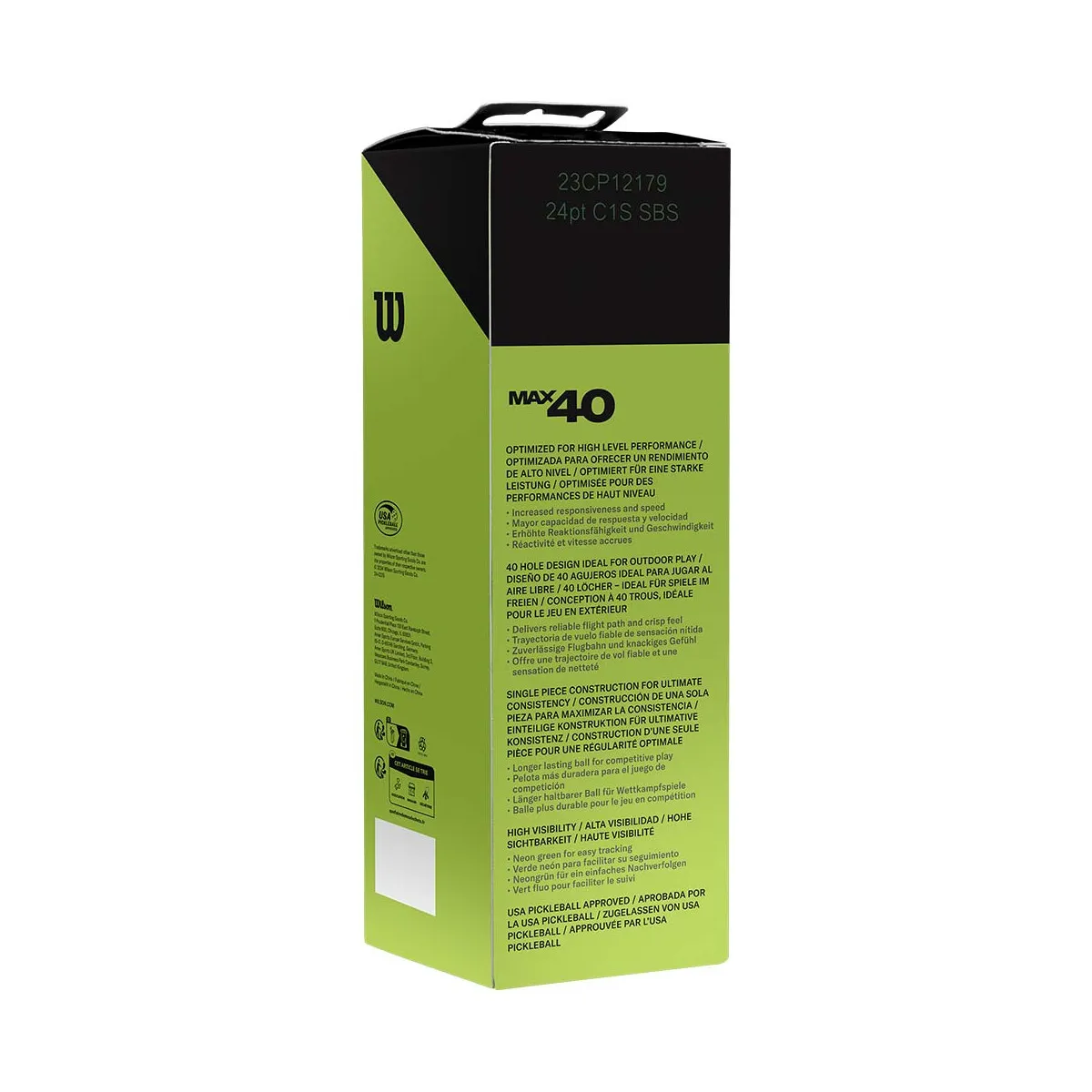
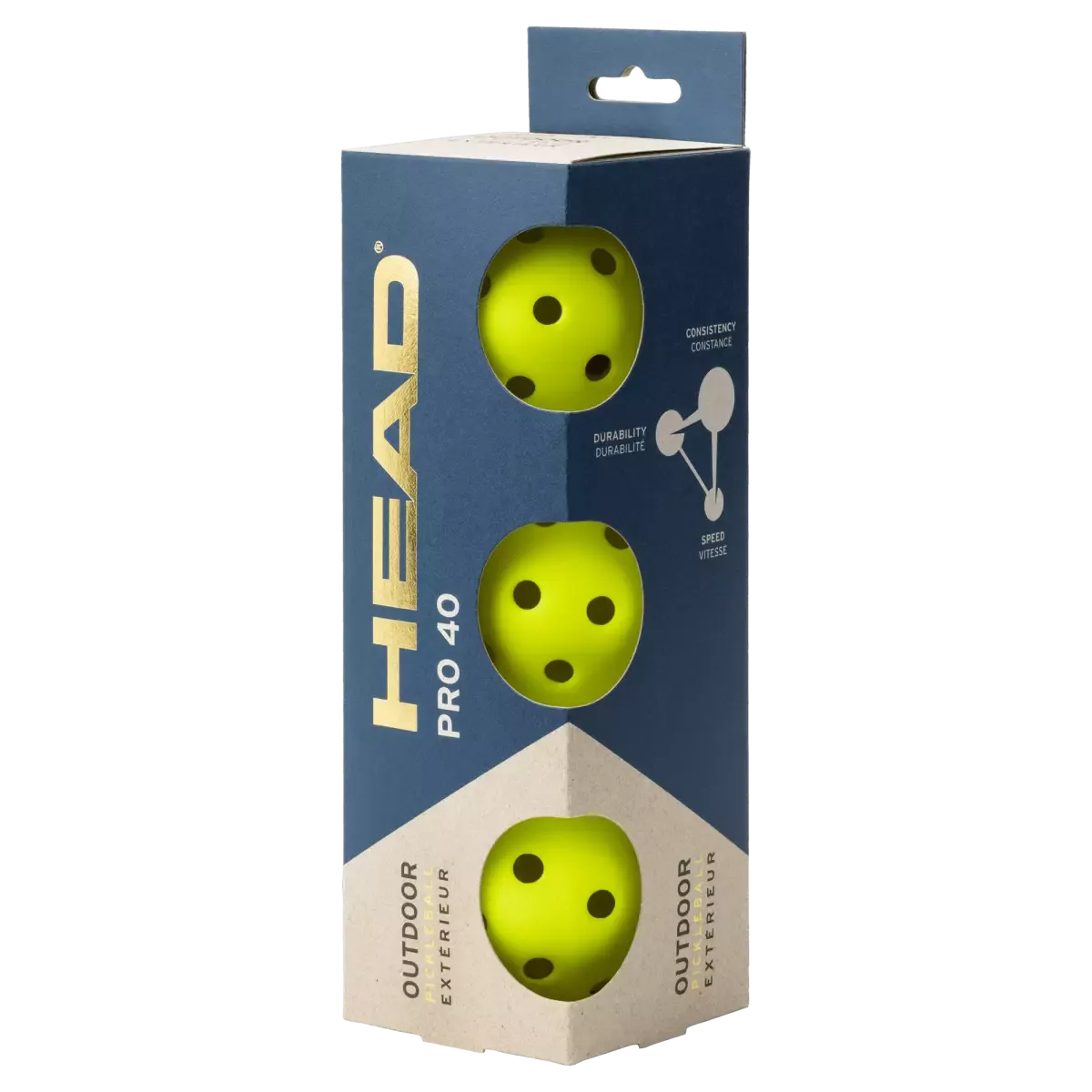
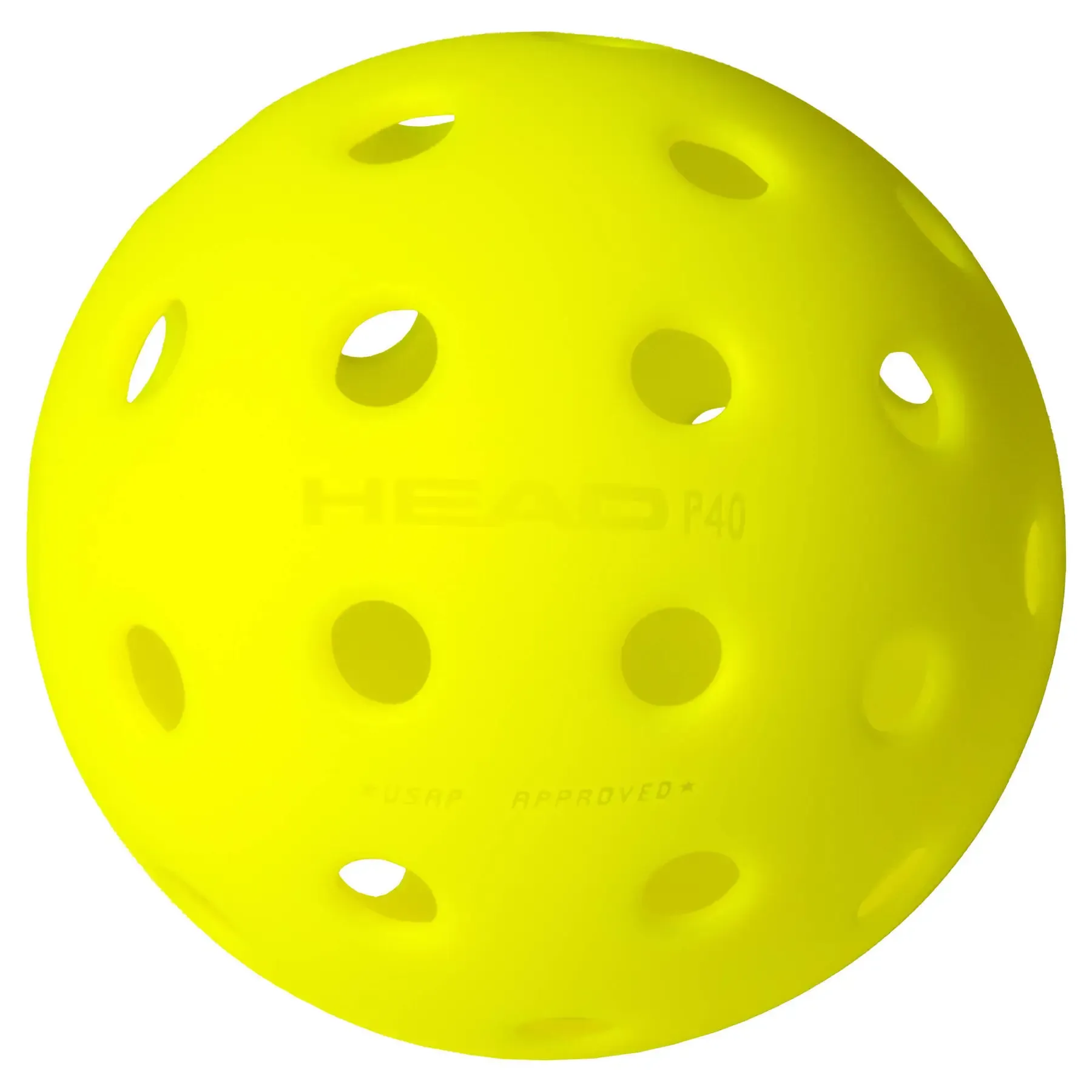
- Outdoor balls: Heavier and harder, with more and smaller holes (averaging 40 holes). They better withstand wind and the rough surfaces of outdoor courts
- Durability: Outdoor balls wear out faster due to more abrasive surfaces
- Bounce: Outdoor balls bounce higher and faster than indoor balls
Find our selection of balls suited to your playing surface at PadelReference.com.
How many holes does a pickleball have?
The number of holes is an important technical characteristic of pickleballs:
- Indoor balls: Generally have 26 larger holes
- Outdoor balls: Generally have 40 smaller holes
- Impact on play: The more small holes, the more stable the ball is in the wind and the faster it plays
- Regulations: USA Pickleball approved balls must meet precise criteria for number and arrangement of holes
Check our selection at PadelReference.com to find the ball suited to your game.
How long does a pickleball last?
The lifespan of a pickleball depends on several factors:
- Playing surface: A ball used on an outdoor concrete or asphalt court will wear out much faster than indoors
- Frequency of play: With intensive use, a ball may need replacing after just a few sessions
- Signs of wear: A ball should be replaced when it cracks, deforms or bounces irregularly
- Storage: Storing your balls at room temperature, away from heat and humidity, extends their lifespan
Remember to regularly replenish your ball stock at PadelReference.com.
Are pickleballs approved?
Ball approval is important for competition:
- USA Pickleball: The American body certifies balls that comply with the official rules of pickleball
- Criteria: Diameter between 7.3 cm and 7.6 cm, weight between 22 g and 26.5 g, controlled bounce and hardness
- Competition: For official tournaments, only approved balls may be used
- Recreational play: For recreational play, non-approved balls may suffice but certified balls guarantee better quality
Find approved balls at PadelReference.com.
How many pickleballs should you have?
The recommended number of balls depends on your practice:
- For a leisure player: A pack of 3 to 6 balls is generally sufficient for a playing session
- For a regular player: Having a stock of 6 to 12 balls ensures you always have balls in good condition
- For a club or training: Packs of 12 to 100 balls are available for group training sessions
- Replacement: Plan to replenish your stock regularly, especially for outdoor play
Find bulk offers at PadelReference.com to save money.